


Why Clothes Shrink in the Dryer and How to Prevent It
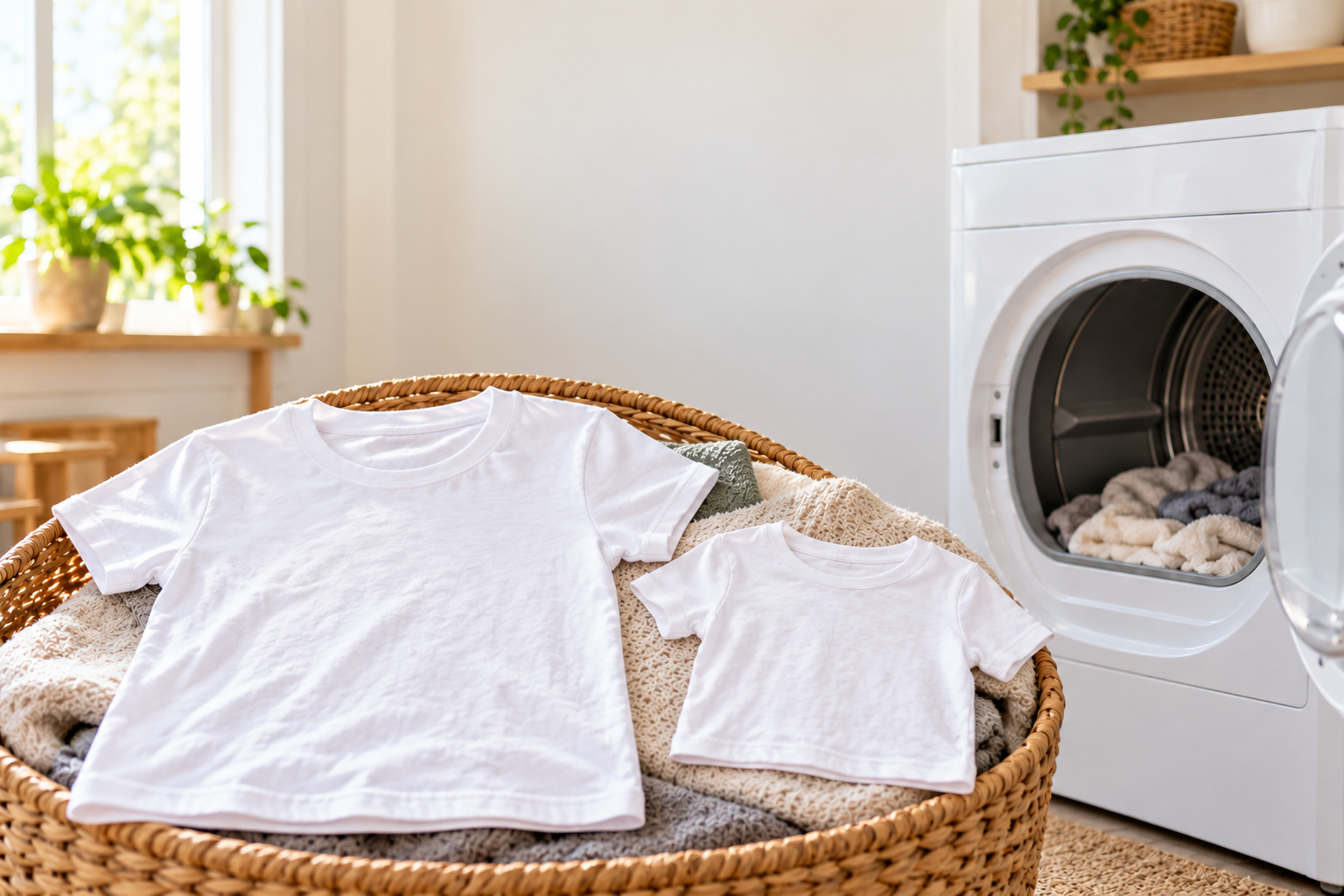
Have you ever taken your favorite shirt, sweater, or pair of pants out of the dryer and noticed that it suddenly feels smaller? If you have wondered why clothes shrink in the dryer, the answer usually comes down to a combination of heat, moisture, fabric type, and mechanical movement. While some fabrics are naturally more resistant to shrinkage, others can change size or shape when exposed to high temperatures. The good news is that you can greatly reduce the risk of shrinkage by choosing the right washing and drying methods. In this guide, we explain why clothes shrink in the dryer, which fabrics are most likely to shrink, and what you can do to keep your clothes looking and fitting properly for longer. Why Do Clothes Shrink in the Dryer? Clothes can shrink in the dryer because heat and moisture affect the structure of certain fibers. When wet clothing is exposed to high temperatures and repeated tumbling, fibers can contract and the fabric may become smaller. Natural fabrics such as cotton and wool are particularly sensitive to unsuitable drying conditions. Some garments may shrink noticeably after just one hot drying cycle, while others may gradually become smaller after repeated exposure to heat. The amount of shrinkage depends on several factors, including the type of fabric, how the garment was manufactured, whether it was pre-shrunk, the drying temperature, and how long it remains in the dryer. Does the Dryer Cause More Shrinkage Than Washing? Both washing and drying can affect the size and shape of clothing, but high dryer temperatures are a major cause of shrinkage for many fabrics. Hot water can cause some fibers to contract, while the combination of heat and tumbling in a dryer can increase fabric stress. This is why a garment that survives a normal wash may still shrink when exposed to a high-temperature drying cycle. If you want to reduce shrinkage, pay attention to both the washing temperature and the drying temperature. Which Fabrics Shrink Most in the Dryer? Not all fabrics respond to heat in the same way. Some materials are much more likely to shrink than others. Fabrics that can be more sensitive to dryer heat include: Cotton Wool Linen Rayon Viscose Cotton blends Some delicate natural fibers Synthetic fabrics such as polyester are generally more resistant to shrinkage, but excessive heat can still affect their shape, texture, elasticity, or overall appearance. Why Does Cotton Shrink in the Dryer? Cotton is one of the fabrics most commonly associated with shrinkage. Cotton fibers naturally respond to moisture and heat, and the manufacturing process can leave some fabrics with room for further contraction. When cotton clothing is repeatedly exposed to high temperatures in a dryer, the fibers can tighten and the garment may become smaller. To help protect cotton clothing, check the care label and use a low or moderate drying temperature when recommended. Air drying can also reduce exposure to dryer heat. Why Does Wool Shrink in the Dryer? Wool requires special care because heat, moisture, and agitation can cause wool fibers to contract and become tightly interlocked. This process can lead to significant shrinkage and may also change the texture of the garment. Some wool garments should never be tumble dried. Always check the care label before putting wool clothing in a dryer. If the instructions recommend drying flat, gently reshape the garment while it is damp and lay it flat to dry. Can Clothes Shrink on Low Heat? Yes, some clothes can still shrink on a low-heat setting. However, lower temperatures generally reduce the risk compared with high-heat drying. The fabric itself is an important factor. Cotton, wool, linen, and other sensitive materials may still change size even when the dryer is not set to its highest temperature. If a garment is particularly prone to shrinkage, air drying according to the care instructions may be a safer option. Can Over-Drying Cause Clothes to Shrink? Over-drying can expose clothing to unnecessary heat for an extended period. Even if the dryer is operating at a moderate temperature, excessive drying time can increase wear and fabric stress. When possible, remove clothes once they are dry instead of allowing them to continue tumbling through an unnecessarily long cycle. How to Prevent Clothes From Shrinking in the Dryer The best way to prevent dryer shrinkage is to control heat, drying time, and fabric handling. Follow these simple steps: Check the care label before drying. Use the recommended dryer temperature. Choose low heat for suitable delicate fabrics. Avoid unnecessary high-temperature cycles. Remove clothes promptly when they are dry. Air dry garments when the care label recommends it. Dry wool and other delicate fabrics using their recommended method. Avoid over-drying clothing. Separate garments according to their drying requirements. Always Check the Clothing Care Label The care label is one of the easiest ways to determine how a garment should be dried. It tells you whether the item can be tumble dried and, when applicable, which temperature is appropriate. Common drying instructions include: Tumble dry Tumble dry low Tumble dry medium Tumble dry high Do not tumble dry Dry flat Line dry If the label says do not tumble dry, avoid putting the garment in the dryer. Choose the recommended drying method instead. Use Low Heat for Delicate Clothes Low heat can be useful for clothing that is sensitive to high temperatures. It can reduce the amount of heat stress placed on the fabric while still allowing suitable garments to be machine dried. However, low heat does not guarantee that a garment will never shrink. Always consider the fabric type and follow the manufacturer’s care instructions. Air Dry Clothes to Reduce Dryer Shrinkage Air drying is one of the simplest ways to avoid dryer-related shrinkage because it eliminates the high heat produced by a conventional dryer. Depending on the garment, you can use a drying rack, clothesline, or another suitable drying method. Be careful with heavy sweaters and knitwear. Some garments can stretch when hung while wet, so they