

How to Wash Baby Clothes Before First Wear | Safe & Gentle Guide
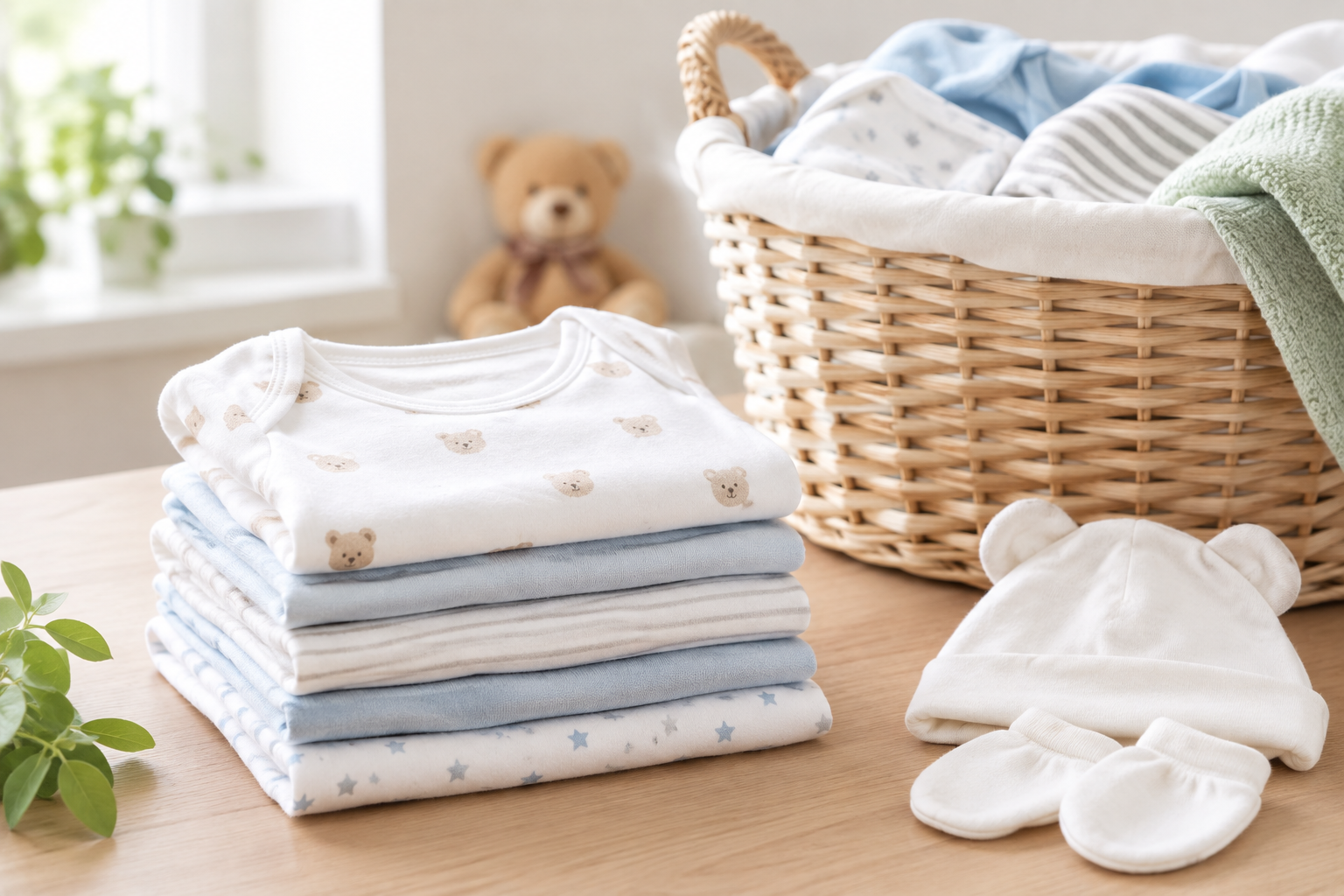
How to Wash Baby Clothes Before the First Wear Those tiny outfits look soft and clean on the rack, so skipping the first wash can be tempting. However, how to wash baby clothes matters because newborn skin is delicate and new garments may carry dust, dyes, finishing residues, or other substances from manufacturing and handling. This guide explains how to wash baby clothes before first wear, which detergent to choose, what water temperature to use, and how to handle hand-washing, sensitive skin, and second-hand pieces. Should You Wash Baby Clothes Before Wearing Them? Yes, washing new baby clothes before wearing them is strongly recommended, especially for newborns. Garments can pick up dust, lint, and skin oils during manufacturing, transportation, storage, and shopping. Some fabrics may also contain finishing agents or excess dye from the manufacturing process. A first wash helps remove much of this residue and makes the fabric feel fresher against your baby’s skin. It cannot remove every possible substance, but it is a simple precaution that can help reduce unnecessary irritation. How Long Before Birth Should You Wash Baby Clothes? Most parents can start washing baby clothes during the third trimester. Around three to four weeks before the due date gives you enough time to prepare the essentials without rushing. Start with the items that will touch your baby’s skin most often, including: Sleepers and onesies Hats and mittens Swaddles Burp cloths Receiving blankets Crib or bassinet bedding Having these items clean and ready also makes the first few days at home easier to manage. How to Wash New Baby Clothes: Step by Step If you’re wondering how to wash newborn clothes for the first time, follow this simple routine. 1. Remove tags and check the clothing Take off price tags, stickers, and anything that could scratch your baby’s skin. Check for loose threads, buttons, snaps, or decorative pieces that could become detached. 2. Read the care label Before putting anything into the washing machine, check the manufacturer’s instructions. Delicate knits, wool, and special fabrics may require a lower temperature or a different washing method. 3. Sort the clothes Separate whites, lights, and dark colors. New brightly colored or dark garments can sometimes release excess dye during their first wash. For questionable fabrics, test colorfastness by dabbing a damp white cloth on a hidden area. 4. Use a gentle detergent Choose a fragrance-free detergent designed for sensitive skin. You generally don’t need a large amount. Using too much detergent can leave residue behind, which may irritate sensitive skin. 5. Choose a gentle cycle For most baby clothes, a gentle or normal cycle based on the care label is appropriate. Avoid unnecessarily harsh washing settings that could damage delicate fabrics. 6. Add an extra rinse An additional rinse can help remove leftover detergent from the fabric. This can be particularly useful when washing clothes for a baby with sensitive skin. 7. Dry the clothes thoroughly Follow the care label when choosing between tumble drying and air drying. Low-heat tumble drying or air drying is suitable for many baby garments. Make sure everything is completely dry before folding and storing it. What Temperature Should You Wash Baby Clothes? For many new baby clothes, warm water around 30 to 40°C (86 to 104°F) is a practical starting point. It can provide effective cleaning while being gentler on many fabrics than very hot water. The care label should always take priority. Some garments may require cold water, while others can tolerate hotter temperatures. For second-hand clothing or heavily soiled items, a warmer wash may be appropriate if the fabric’s care instructions allow it. How Many Times Should You Wash New Baby Clothes? For most garments, one thorough wash before the first wear is sufficient. A second wash can be considered if the clothing has a strong manufacturing smell, feels stiff after washing, or is intended for a baby with particularly sensitive skin. Heavily dyed garments may also benefit from another rinse or wash if they continue releasing color. Can You Wash Baby Clothes With Regular Detergent? Yes. Baby clothes do not necessarily require a detergent specifically marketed for babies. The important factors are the detergent’s ingredients and how well it rinses from fabric. For newborn laundry, look for a gentle formula that is: Fragrance-free Dye-free Suitable for sensitive skin Easy to rinse away Free from unnecessary harsh additives If your baby develops persistent redness, dryness, or irritation, consider changing your laundry products and speak with your pediatrician for personalized advice. Do Baby Clothes Need Special Detergent? Not necessarily. A standard fragrance-free detergent that is suitable for sensitive skin can work well. Products labeled “baby detergent” are not automatically better simply because of the label. Instead, check the ingredients and choose a formula that avoids strong fragrances and unnecessary additives. Best Detergent for Baby Clothes The best detergent for baby clothes is one that cleans effectively without leaving a strong fragrance or excessive residue. When shopping for baby laundry detergent, look for: Fragrance-free formulas Dye-free formulas Hypoallergenic options Sensitive-skin formulas Clearly listed ingredients Detergents that rinse cleanly If you’re interested in a more environmentally conscious option, you can also compare an eco-friendly laundry detergent with your current product. Skip fabric softener when washing baby clothes. Fabric softeners can leave a coating on fabric and may irritate sensitive skin. They can also reduce the absorbency of items such as cloth diapers and burp cloths. For children’s sleepwear, follow the garment’s care instructions carefully because some treatments can affect the fabric’s required flame-resistance properties. Can You Wash Baby Clothes With Adult Clothes? Yes, baby clothes can generally be washed with adult clothes once you’ve established a suitable laundry routine. For the first wash, keeping new baby items separate makes it easier to control the detergent, temperature, and cycle. Afterward, combining loads is generally practical when the adult clothing isn’t heavily soiled and you’re using a gentle, fragrance-free detergent. Families dealing with particularly sensitive skin may prefer to keep a separate baby laundry routine for