


How to Stop Black Clothes From Fading in the Wash
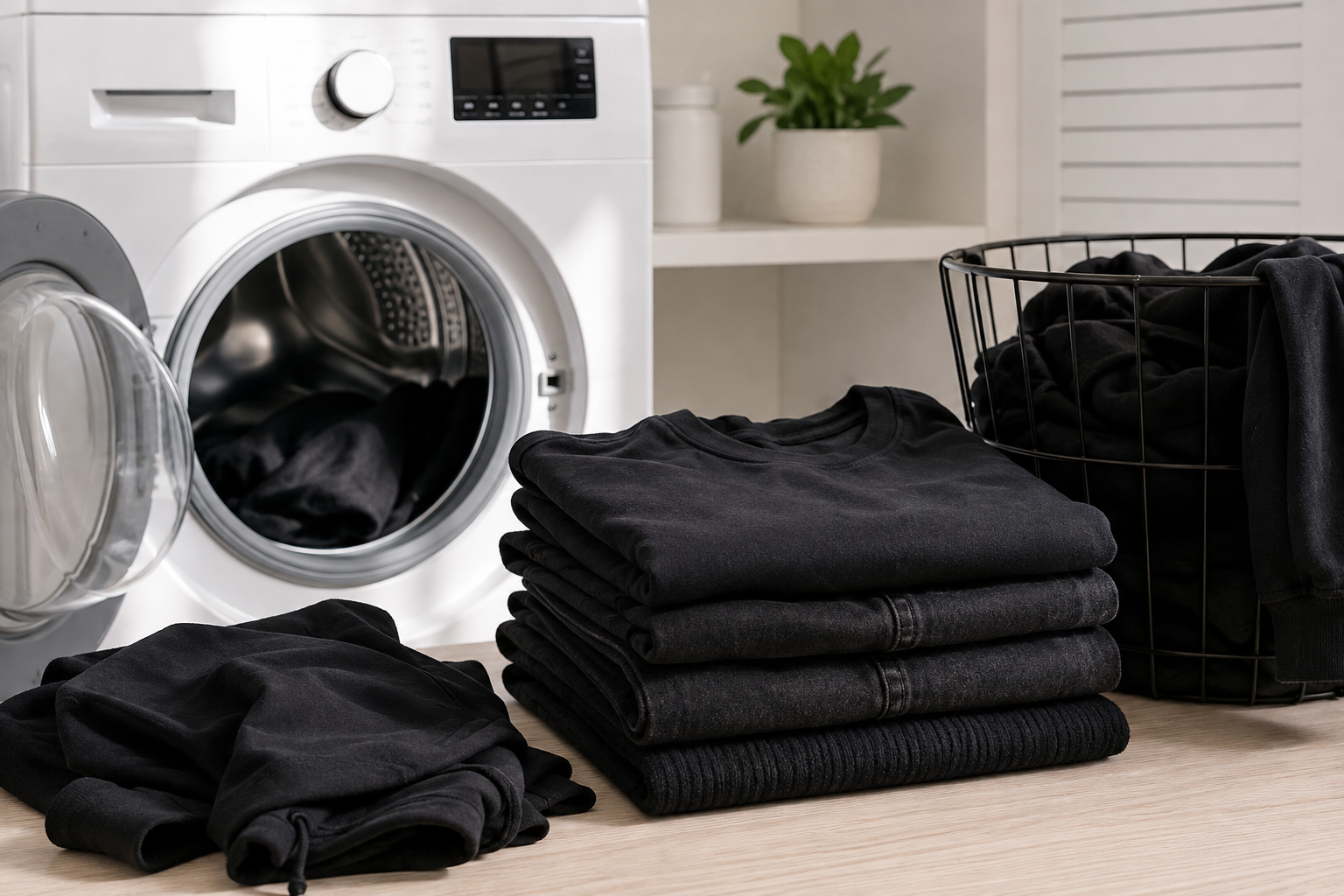
Learning how to stop black clothes from fading can help your favorite shirts, jeans, hoodies, and other dark garments stay looking newer for longer. Black clothes can gradually become dull or gray after repeated washing, but the right washing and drying habits can significantly reduce fading. The good news is that you can significantly reduce fading by changing how you wash, dry, and store your black clothes. In this guide, you’ll learn how to stop black clothes from fading in the wash, which water temperature to use, how much detergent you need, why turning clothes inside out helps, and how to dry black clothing without damaging the fabric. Why Do Black Clothes Fade? Black clothes fade mainly because repeated washing causes friction, heat, detergent exposure, and dye loss. Every time you wash a garment, the fibers experience some wear. Hot water, strong detergents, long wash cycles, and high-heat drying can make this process happen faster. The most common causes of fading include: Washing black clothes in hot water Using too much laundry detergent Washing clothes too frequently Using harsh stain removers or bleach Excessive friction during washing Drying clothes in high heat Leaving dark clothes in direct sunlight Washing black clothing with rough fabrics Fortunately, most of these problems are easy to avoid. 1. Turn Black Clothes Inside Out Before Washing One of the easiest ways to protect black clothing is to turn it inside out before putting it in the washing machine. The outside of your clothes is exposed to most of the friction during washing. Turning garments inside out helps protect the visible surface from rubbing against other clothes and the inside of the washing machine. This is especially helpful for: Black T-shirts Black jeans Hoodies Leggings Sweatshirts Printed black clothing Make turning clothes inside out part of your normal laundry routine. 2. Wash Black Clothes in Cold Water Cold water is generally one of the best choices when washing dark clothing. Hot water can contribute to faster dye loss and may also cause some fabrics to shrink or become damaged over time. For everyday black clothing, choose a cold-water wash cycle whenever the care label allows it. Cold water can help: Reduce dye loss Protect fabric fibers Reduce shrinking Preserve the original color Save energy Always check the garment’s care label before changing the washing temperature. 3. Use the Right Amount of Detergent Using more detergent does not necessarily mean cleaner clothes. Too much detergent can leave residue behind and may require additional rinsing. For black clothes, it’s better to follow the detergent manufacturer’s recommended dosage based on the load size and soil level. If your clothes are only lightly soiled, you may not need as much detergent as you would for heavily stained laundry. A properly measured detergent amount can help keep your clothes clean without unnecessary buildup. 4. Choose a Gentle Wash Cycle The washing machine’s movement creates friction between fabrics. Excessive friction can contribute to fabric wear and make dark clothing look worn over time. When appropriate for the fabric, use a gentle or delicate cycle with a lower spin speed. This can be especially useful for: Lightweight black shirts Delicate fabrics Stretch clothing Black activewear Dark garments with prints For sturdier items such as some jeans or work clothes, follow the care label and use the recommended cycle. 5. Wash Black Clothes With Similar Colors Sorting laundry properly can help protect your clothes. Instead of mixing black garments with everything else, wash dark clothing with similar dark colors whenever practical. Avoid washing black clothes with items that produce a lot of lint, such as some towels or fleece garments. Light-colored lint can become particularly noticeable on black fabric. A good sorting system is: Whites Light colors Dark colors Towels Heavily soiled items This can make your laundry routine easier while helping black clothes maintain their appearance. 6. Avoid Using Bleach on Black Clothes Regular chlorine bleach is designed to whiten and remove color. It should generally not be used on black clothing unless the garment’s care instructions specifically say otherwise. Even small amounts of bleach can cause discoloration. Be particularly careful when cleaning a load containing black clothes after using bleach on other laundry. If a black garment needs stain treatment, check the care label and choose a product specifically suitable for the fabric and color. 7. Don’t Overwash Your Black Clothes Not every item needs to be washed after every wear. Washing too frequently exposes clothing to additional water, detergent, friction, and agitation. If a black garment has been worn briefly and is not dirty or sweaty, consider airing it out instead of immediately putting it into the washing machine. Of course, clothing that is visibly dirty, sweaty, or stained should be washed according to its care instructions. Washing clothes only when necessary can help extend their lifespan and reduce unnecessary fading. 8. Avoid High Heat When Drying Black Clothes The washing process isn’t the only thing that can fade black clothing. Your dryer can also contribute to fabric wear. High temperatures can be hard on some fabrics and may accelerate deterioration over time. Whenever possible, use a lower-heat drying setting or follow the garment’s drying instructions. For many black garments, air drying is an excellent option. If you hang clothes outside, avoid leaving dark clothing in strong direct sunlight for extended periods. 9. Dry Black Clothes Away From Direct Sunlight Sunlight can gradually affect the dyes in clothing. If you’re air-drying black clothes, choose a shaded, well-ventilated area whenever possible. This is particularly important for garments that you want to keep looking dark for a long time. You can also dry black clothes indoors on a drying rack if your home has good ventilation. Make sure clothes are completely dry before storing them to reduce the chance of musty odors. 10. Don’t Overload the Washing Machine Overloading your washing machine can prevent clothes from moving freely through the wash. A tightly packed drum can increase friction and may also