


How to Get Grease Stains Out of Clothes (Even After Drying)
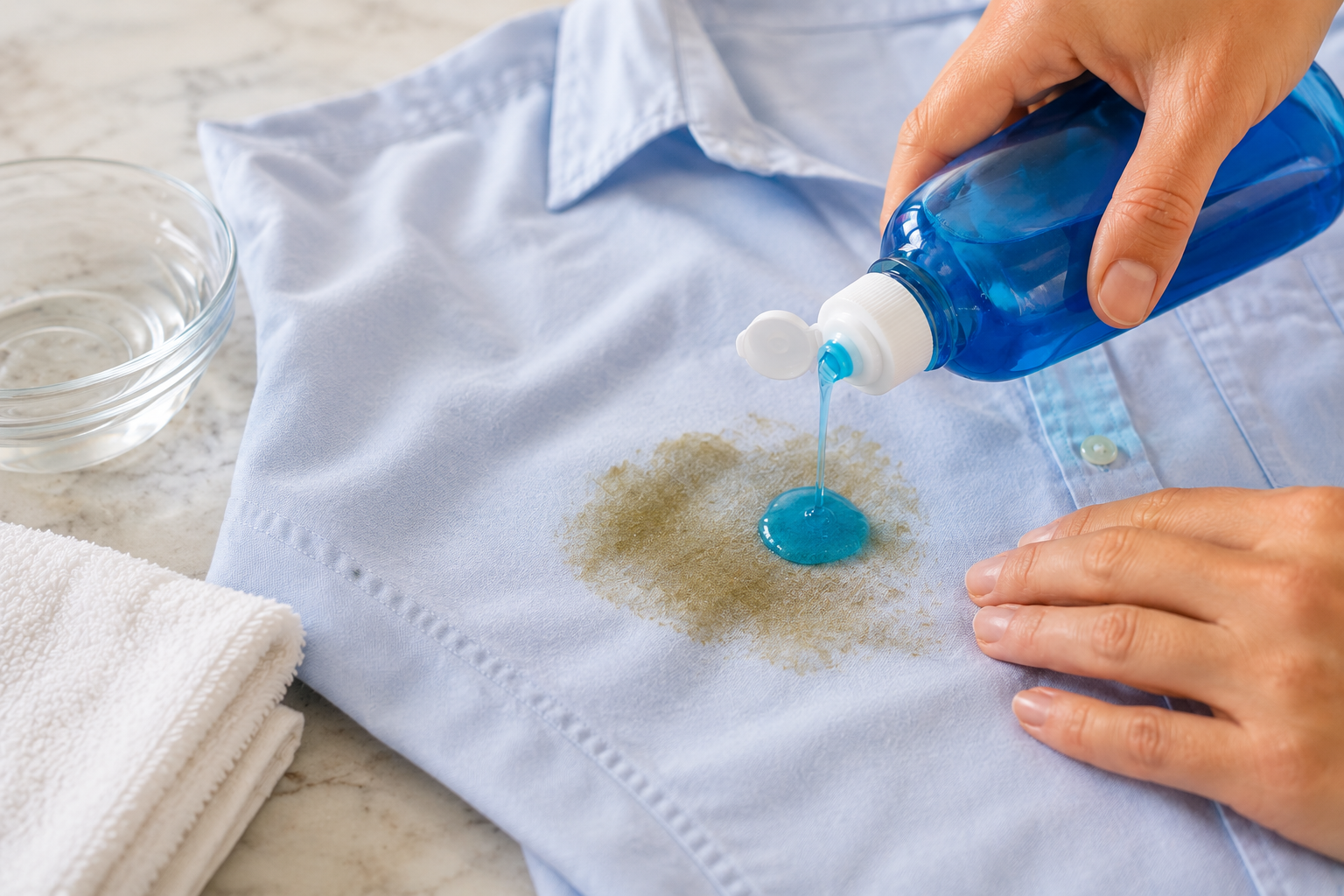
Knowing how to get grease stains out of clothes can help you save your favorite shirts, pants, and other garments from permanent stains. Whether the stain comes from cooking oil, butter, salad dressing, or motor grease, acting quickly with the right cleaning method greatly improves your chances of removing it completely. Unlike water-based stains, grease is hydrophobic, meaning it repels water and clings tightly to fabric fibers. Regular washing alone often isn’t enough. Fortunately, a few common household products—such as liquid dish soap and baking soda—can break down grease and restore your clothing without expensive cleaning products. Why Are Grease Stains So Difficult to Remove? Understanding how to get grease stains out of clothes starts with knowing why oil clings so tightly to fabric fibers. Grease and oil penetrate deep into fabric fibers instead of dissolving in water. This is why standard laundry detergent may leave behind a dark stain after washing. If the garment is placed in the dryer before the stain is fully removed, the heat can make the stain much more difficult to eliminate. The key to successful grease stain removal is using products that break down oil before washing the clothing normally. Quick Comparison of the Best Grease Removal Methods Stain Type Recommended Treatment Supplies Needed Fresh Cooking Oil Blot and treat with liquid dish soap Paper towel, dish soap, warm water Old or Dried Grease Baking soda and dish soap paste Baking soda, toothbrush, dish soap Heavy Mechanical Grease Commercial stain remover or rubbing alcohol Rubbing alcohol, cotton ball, laundry detergent How to Get Grease Stains Out of Clothes (Fresh Stains) The sooner you treat a grease stain, the easier it will be to remove. Follow these simple steps. Step 1: Blot the Excess Oil Use a clean paper towel, cloth, or napkin to blot as much grease as possible. Avoid rubbing because it pushes the oil deeper into the fabric. Step 2: Apply Liquid Dish Soap Place several drops of liquid dish soap directly onto the stain. Dish soap is designed to dissolve grease, making it one of the best household cleaners for oily stains. Keep your home sparkling clean with our Magic Paste. It effectively removes all types of grease, grime, and stubborn stains, while our Zin for Shine leaves surfaces with a brilliant, long-lasting shine. Tip: Clear dish soap is often the safest choice for white or light-colored clothing because it reduces the chance of color transfer. Step 3: Gently Work the Soap Into the Fabric Use your fingers or a soft toothbrush to gently massage the soap into the stained area. Let it sit for 10 to 15 minutes so it can break down the grease. Step 4: Rinse and Wash Rinse the treated area with warm water, then wash the garment using the warmest water recommended on the care label. Check the stain before drying. If any grease remains, repeat the treatment. How to Remove Set-In Grease Stains Even if the clothing has already been washed and dried, there is still a good chance you can remove the stain. Baking soda helps absorb grease trapped deep inside fabric fibers. Baking Soda and Dish Soap Method Place cardboard behind the stained area to prevent the grease from transferring to other layers. Cover the stain completely with baking soda or cornstarch. Leave it for at least 20 to 30 minutes so it absorbs the oil. Brush away the powder with an old toothbrush. Add a few drops of dish soap. Work the mixture gently into the fabric. Wash the garment according to the care label. Allow the clothing to air dry before using a dryer. Best Products for Removing Grease Stains Liquid dish soap Baking soda Cornstarch Enzyme-based laundry detergent Color-safe oxygen bleach (when appropriate) Commercial grease stain remover How to Remove Grease from Delicate Fabrics Silk, wool, rayon, and garments labeled “Dry Clean Only” require extra care. Instead of scrubbing aggressively, blot the stain gently and follow the care label instructions. When in doubt, consult a professional cleaner to avoid damaging delicate fibers. Common Mistakes to Avoid Many grease stains become permanent because of small mistakes made during the cleaning process. Avoid these common errors to improve your chances of complete stain removal. Don’t use the dryer too soon. Heat can permanently set grease stains that haven’t been completely removed. Don’t rub aggressively. Scrubbing can spread the stain and damage delicate fabric fibers. Don’t ignore the care label. Always wash garments using the warmest water that is safe for the fabric. Don’t wait too long. Fresh stains are much easier to remove than stains that have been left for several days. Don’t overload the washing machine. Clothes need enough room for detergent and water to circulate properly. Extra Tips for Stubborn Grease Stains Repeat the treatment if the stain is still visible after washing. For thick grease, allow the dish soap to sit for up to 30 minutes before washing. Use an enzyme-based laundry detergent for heavily soiled clothing. Always test any cleaning product on a hidden area of the garment first. Air dry the garment until you are certain the stain has disappeared completely. Frequently Asked Questions Can grease stains be removed after washing and drying? Yes. Although heat from the dryer can make grease stains more difficult to remove, many set-in stains respond well to repeated treatments using baking soda, liquid dish soap, or a commercial grease stain remover. Does baking soda remove grease stains? Baking soda absorbs oil trapped in fabric fibers and works especially well when combined with liquid dish soap before washing. Can vinegar remove grease stains? White vinegar may help remove odors and detergent residue, but it is generally less effective than dish soap for breaking down grease and oil. Should I use hot water on grease stains? Use the warmest water recommended on the garment’s care label. Extremely hot water may damage certain fabrics such as wool, silk, or synthetic blends. Is dish soap safe for all fabrics? Dish soap is safe for